
Do Words Really Hurt Us?
We’ve all heard it: "Sticks and stones may break my bones, but words will never hurt me."
Most of us think that’s nonsense. We’ve felt the sting of words, right? A parent’s criticism, a teenager’s backtalk, a spouse’s careless comment, they can all hit hard. But this the truth:
Words don’t hurt. Our thoughts about those words do.
Let that sink in.
The Truth About Emotional Responsibility
Most of us are conditioned to be emotionally irresponsible. We grow up saying things like:
- “You hurt my feelings.”
- “That was mean.”
- “You made me feel bad.”
We’re acting like we’re powerless, at the mercy of everyone else’s words.
But we’re not. We are in control of how we feel. Our brain is what gives meaning to words. It happens so fast that we don’t notice, but it’s always our thoughts, not the words themselves, that create our emotions.
A Real-Life Parenting Example
Let’s say your teen says, "I can’t wait to be 18 so I can get away from you!"
That hits hard, right? But here’s what actually happens:
Step 1
The Comment Your kid says something emotional, maybe even hurtful.
Step 2
Instant Thoughts Your brain fires off thoughts like:
- You’re ungrateful.
- You don’t love me.
- You don’t care about what I do for you.
- Good luck surviving on your own.
Step 3
The Feelings Those thoughts create emotions:
- Anger
- Sadness
- Shame
- Inadequacy
Step 4
The Reactions We act on those emotions. Maybe we yell, shut down, say something back that we regret, or even spiral into guilt.
Step 5
The Result We become what we didn’t want to be, disconnected, resentful, and emotionally reactive.
This chain reaction happens so fast that it feels automatic. But you can stop it.
Words Only Have the Power We Give Them
Here’s the most powerful truth in this whole conversation: You get to decide what someone’s words mean.
Your brain might offer you one thought, but it’s not your only option. You have the power to choose a different meaning, a different thought, and a different result.
You don’t have to feel good about everything. Feeling hurt is human. But you should know, you are never required to feel a certain way just because of what someone said.
Choose Thoughts That Serve You
Let’s go back to that teen yelling, "I can’t wait to get away from you."
You could choose thoughts like:
- I thought the same thing when I was that age.
- We all want freedom and independence.
- My rules might be hard, but they’re necessary.
- You’re reacting like a teen because you are a teen.
- I love you anyway.
What feelings would those thoughts bring?
- Love
- Confidence
- Kindness
- Patience
- Control
What kind of actions follow those feelings? You show up like the parent you want to be.
The 4 Simple Steps to Managing Your Mind
- Recognize that you feel bad after hearing something.
- Realize your feelings come from your thoughts, not their words.
- Choose a new thought that helps you feel how you want to feel.
- Focus on that thought until it takes root.
That’s how you take back control.
Want to Feel Empowered Instead of Hurt?
This is the kind of mindset we train in Stable Living Coaching. When you learn to respect and love yourself, it becomes easier to believe better thoughts and show up stronger in every relationship.
We teach practical tools to help you:
- Build emotional resilience
- Handle backtalk or judgment without spiraling
- Feel more peace and control in your parenting and personal life
Final Thoughts
Your life is too short to be run by someone else’s words.
The pain isn’t in what they said. The pain is in what you think it means. And you can change that.
Imagine the freedom you’ll feel when you finally take back your emotional power.
If you’re ready to build emotional strength and live with more love, join us at Stable Living Coaching. We’re offering a free trial right now at stablelivingcoaching.com
Remember, you cannot fail if you Don’t Ever Stop Chasin’ It.
FREE RESOURCE


Want stronger, closer relationships with your kids, your spouse, and everyone who matters most?
You deserve it. And you can!
Sign up for weekly tools to communicate better, connect deeper, and create more trust and love in every relationship.
Your guide to understanding yourself and the people you love on a whole new level.
Sign up here:
Thank you! Your submission has been received!
Oops! Something went wrong while submitting the form.

FREE RESOURCE
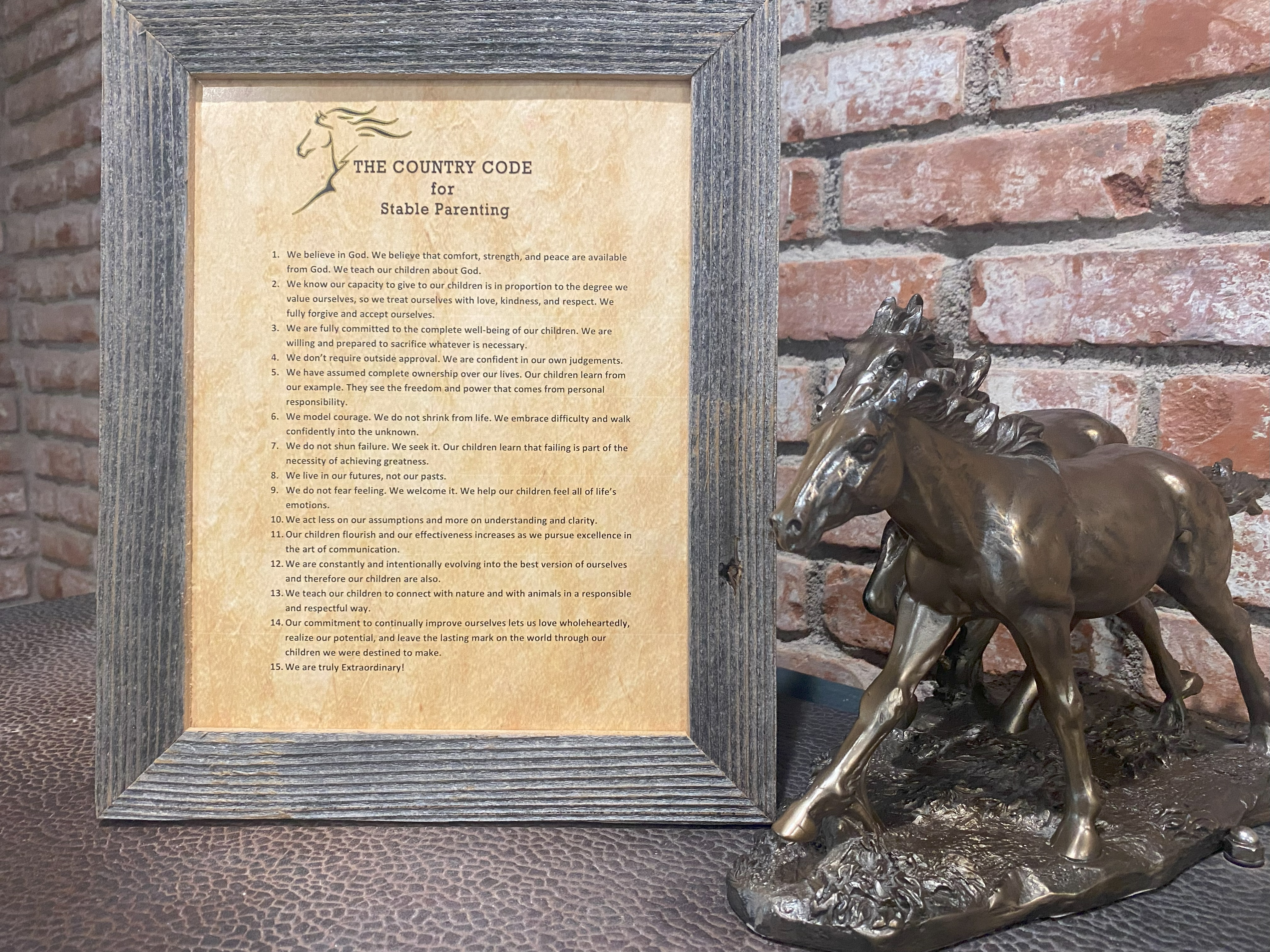
The Country Code for Stable Parenting:
Inspiration for parents. Enter your info below to get a free printable, frameable copy of The Country Code for Stable Parenting.
Print it. Frame it. Live It. Love It.
Live by the Country Code. It’s time to Thrive!
Print it. Frame it. Live It. Love It.
Live by the Country Code. It’s time to Thrive!
Thank you! Your submission has been received!
Oops! Something went wrong while submitting the form.